Peritoneal dialysis (PD) is a treatment that uses the lining of your abdomen (peritoneal membrane) as a filter to clean your blood while the dialysis solution is in your peritoneal cavity. Because of this, peritoneal dialysis (PD) can be performed at home, at work, or while travelling, either by yourself or with the support of a caregiver. You can perform peritoneal dialysis (PD) during the day or while you sleep, giving you the flexibility to plan your dialysis treatments around your daily schedule. peritoneal dialysis (PD) is typically performed every day
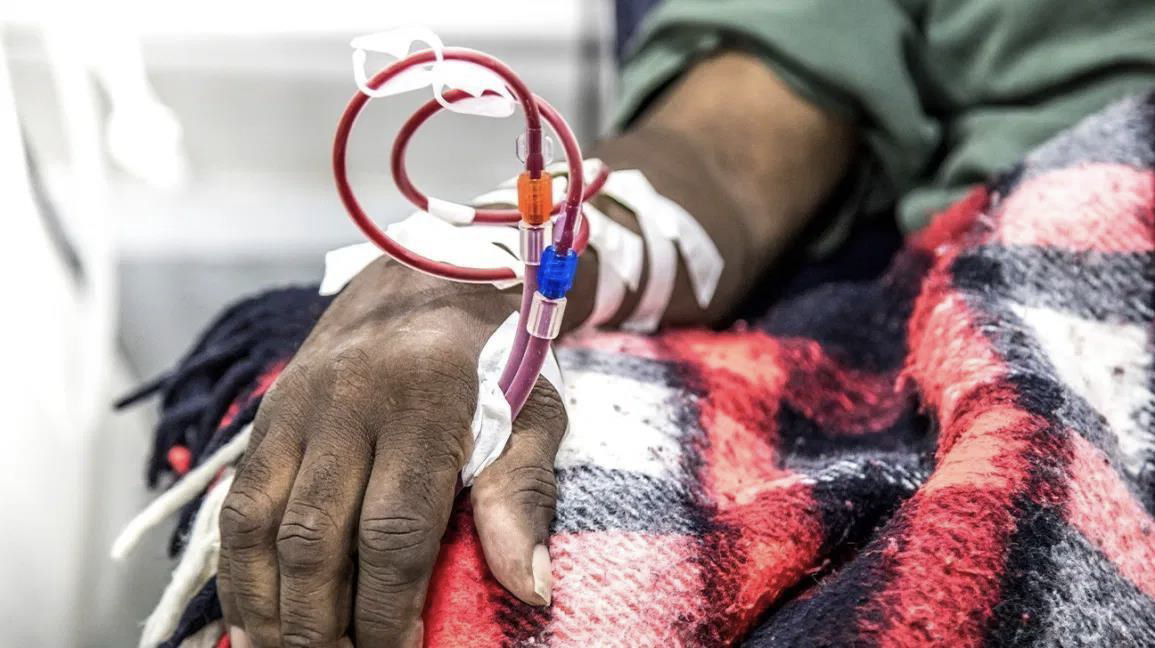
Home Haemodialysis (Home HD)Haemodialysis (HD) filters your blood using a machine that has a synthetic membrane called a dialyser. It can be performed at home, either during the day or while you sleep, typically with the support of a caregiver. The ability to treat without a clinician’s assistance may allow you to plan your treatment schedule around work, school, or other activities. Home haemodialysis (Home HD) is typically performed 3-6 times per week.
In-Centre Haemodialysis (In-Centre HD)Haemodialysis (HD) can also be performed in a hospital or dialysis clinic under the supervision of your clinician. In-Centre HD typically requires that you visit the hospital or clinic 3 times a week for treatments that last between 3-5 hours each time. Your treatment will be closely supervised, and you will be around others who are receiving a similar treatment.
Side effects of haemodialysis- Low blood pressure
- Sepsis
- Muscle cramps
- Itchiness of Skin
- Other side effects
- Difficulties falling asleep (insomnia) or staying asleep
- Bone and joint pain
- Loss of libido (sex drive) and erectile dysfunction
- Dry mouth
- Anxiety
Low blood pressure (hypotension) is one of the most common side effects of haemodialysis. This is due to the drop in fluid levels during dialysis.
It is advised that the best way minimise symptoms of low blood pressure is to follow your daily fluid intake recommendations as advised by your doctor.
Sepsis is known as blood poisoning due to bacterial infections. This is where bacteria enter the body and spread through the blood, potentially leading to multiple organ failure if not treated. Early warning symptoms include high fever and dizziness. If you develop the above-mentioned symptoms, you will require immediate admission to hospital to be treated with antibiotics.
During dialysis, it is normal for you to experience muscle cramps. This usually occurs in the lower leg caused by the muscles reacting to the fluid loss that happens during haemodialysis. Consult your doctor immediately if your cramps become very painful.
Dialysis can cause skin itching due to the build-up of minerals in the body between dialysis sessions. If the itching becomes unbearable, consult your care team to prescribe you with creams to help relieve the itching and moisturize the skin.