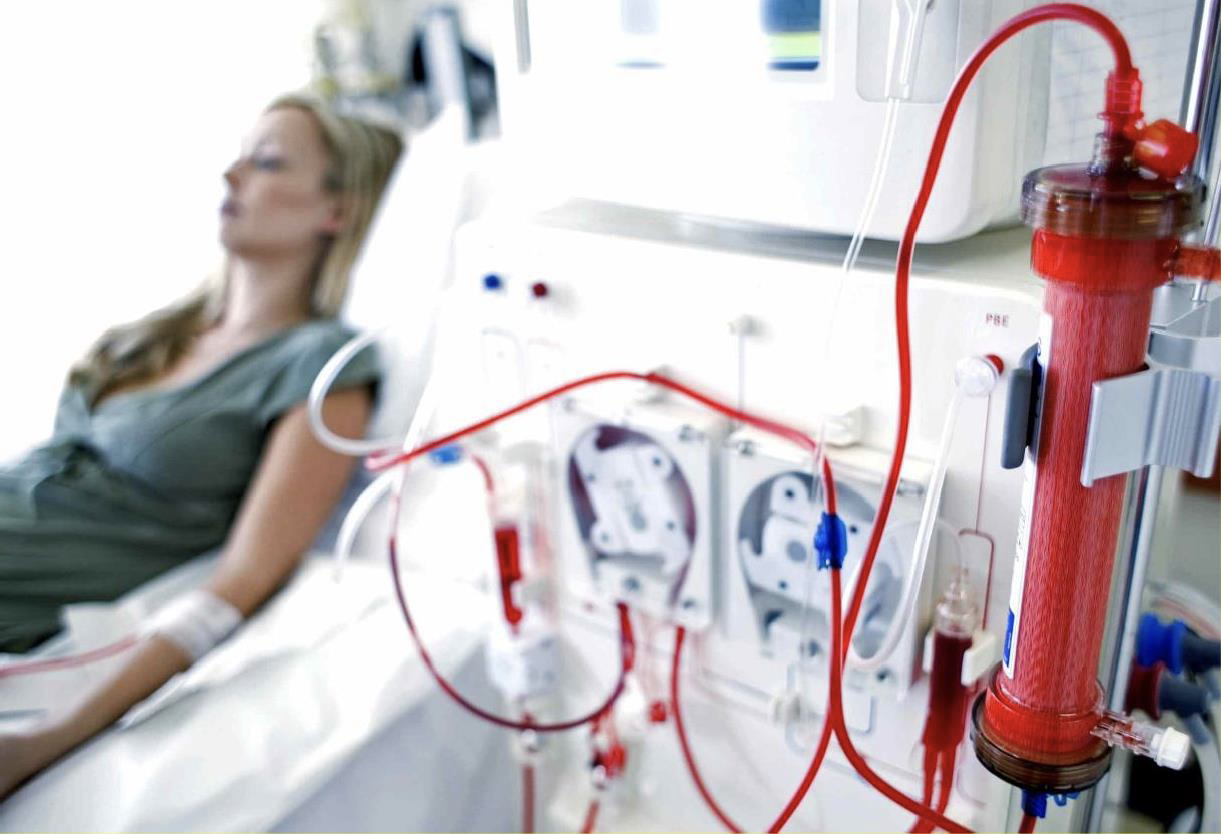
Your kidneys remove toxins and excess fluids from your blood, which are then released in your urine. Chronic kidney disease (chronic kidney failure), happens when there is progressive loss of kidney function which causes dangerous levels of fluid, electrolytes and toxins to build up in your body. CKD which is left untreated will get worse over time causing the kidneys to have a total shutdown and stop filtering all together.
You may not experience any symptoms during early stages of CKD until the condition is advanced. Therefore, it is crucial to always get routine monitoring and screening of your kidney function. Chronic kidney disease can progress to end-stage kidney failure, which is fatal without artificial filtering (dialysis) or a kidney transplant.
CAUSES OF CHRONIC KIDNEY DISEASEChronic kidney disease occurs when the kidney function is impaired by a disease or condition. This will cause the damage within the kidney to worsen over several months or years. Diseases and condition which causes chronic kidney diseases are:
- Type 1 or type 2 diabetes
- High blood pressure
- Glomerulonephritis
- Damage to the kidney's filtering units (glomeruli)
- Polycystic kidney disease
- Prolonged Obstruction of the urinary tract
- conditions such as enlarged prostate, kidney stones and some cancers
- Vesicoureteral reflux
- causes urine to back up into your kidneys
- Frequent kidney infection
- pyelonephritis
Factors that can increase your risk of chronic kidney disease include:
- Diabetes
- High blood pressure
- Heart (cardiovascular) disease
- Smoking
- Obesity
- Being Black, Native American or Asian American
- Family history of kidney disease
- Abnormal kidney structure
- Older age
- Frequent use of medications that can damage the kidneys
Chronic kidney disease can affect almost every part of your body. Potential complications include:
- Fluid retention,
- his will lead to swelling in your arms and legs, high blood pressure, or fluid in your lungs (pulmonary edema)
- High potassium levels in your blood (hyperkalemia)
- This could impair your heart's function and can be life-threatening
- Anemia (Low Hemoglobin levels)
- Heart disease
- Weak bones
- This will increase your risk of bone fractures
- Decreased sex drive
- This will lead to conditions such as erectile dysfunction or reduced fertility
- Decreased immune response
- This will make you more susceptible to infection
- Pregnancy complications that carry risks for the mother and the developing fetus
- Kidney Failure
- An irreversible damage to your kidneys (end-stage kidney disease), eventually requiring either dialysis or a kidney transplant for survival