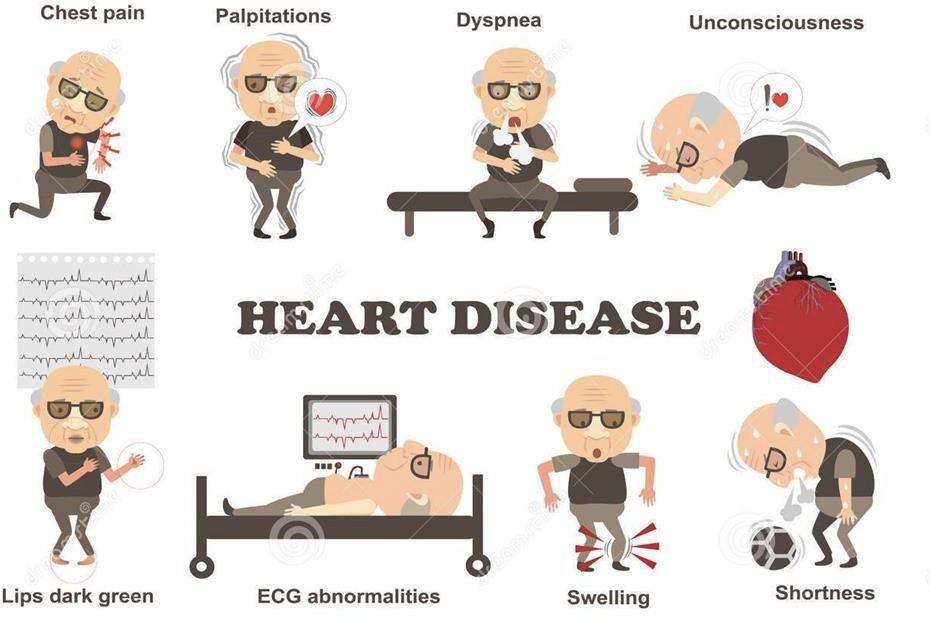
Cardiovascular disease (CVD) is a general term for conditions affecting the heart or blood vessels. CVD is usually due to build-up of fatty deposits inside the arteries called atherosclerosis and an increased risk of blood clots within vessels. Complications of CVD is due to damaged arteries in vital organs such as the brain, heart, kidneys and eyes.
A person may be symptomatic (physically experience the disease) or be asymptomatic (not feel anything at all). Many forms of heart disease can be prevented or treated with healthy lifestyle choices.
WHAT CONDITIONS ARE CALLED CARDIOVASCULAR DISEASE?
These are the common risks factors for heart diseases to occur:
If you a smoker, your risks of developing heart diseases are doubled according to the National Institute of Diabetes and Digestive and Kidney Diseases (NIDDK)
If you are diagnosed with diabetes and have uncontrolled blood sugar levels, you will have a higher risk of developing conditions such as: Heart Attack Stroke Therefore, it is important to control your sugar level to reduce your risk of developing the above-mentioned complications. According to the American Heart Association (AHA), it is said that those who have both high blood pressure and diabetes double their risk for cardiovascular disease. NON-MODIFIABLE RISKS (THOSE YOU CANNOT CONTROL)
These risks include:
A person may be symptomatic (physically experience the disease) or be asymptomatic (not feel anything at all). Many forms of heart disease can be prevented or treated with healthy lifestyle choices.
WHAT CONDITIONS ARE CALLED CARDIOVASCULAR DISEASE?
- Arrhythmia: Abnormal Heart Rhythms due to a problem with the electrical conduction system of the heart.
- Valve disease: Problem with the valves of the heart (Hardening / Leaking) that allow back flow of blood with your heart valves.
- Coronary artery disease: Problem with the blood vessels of your heart leading to blockage of blood flow.
- Heart failure: Problem with heart pumping/relaxing functions.
- Peripheral artery disease: Blockages / Narrowing over the blood vessels of your arms, legs or abdominal organs.
- Aortic disease Problem with the large blood vessel that directs blood from your heart to your brain and the rest of your body.
- Congenital heart disease: Heart conditions that you are born with.
- Pericardial disease: Problem with the lining of your heart.
- Cerebrovascular disease: Narrowing / Blockage of the blood vessels that deliver blood to your brain.
- Deep vein thrombosis: Blockage of the vessels that bring blood back from your brain/body to your heart.
- Heart infections: infections of the heart caused by bacteria, viruses, or parasites.
These are the common risks factors for heart diseases to occur:
- Smoking
- Pre-Existing High Blood Pressure
- High Cholesterol levels (High LDL levels and Low HDL levels)
- Lack of Physical Activity
- Obesity
If you a smoker, your risks of developing heart diseases are doubled according to the National Institute of Diabetes and Digestive and Kidney Diseases (NIDDK)
If you are diagnosed with diabetes and have uncontrolled blood sugar levels, you will have a higher risk of developing conditions such as: Heart Attack Stroke Therefore, it is important to control your sugar level to reduce your risk of developing the above-mentioned complications. According to the American Heart Association (AHA), it is said that those who have both high blood pressure and diabetes double their risk for cardiovascular disease. NON-MODIFIABLE RISKS (THOSE YOU CANNOT CONTROL)
These risks include:
- Family history of heart disease
- Gender
- Race
- Age