HOW ARE SLEEP DISORDERS TREATED?
- COGNITIVE BEHAVIORAL THERAPY
- MEDICATION
- MAINTAIN GOOD SLEEP HYGIENE
- HEALTHY EATING HABITS & DIET
- PHYSICAL ACTIVITY
- USAGE OF SMART APPLICATIONS TO ASSIST
- Wearables
Although clinical guidelines recommend that psychological interventions be offered as the first treatment option (HTA Technology Appraisal, 2004), the lack of availability of CBT for insomnia has left many people with only sleeping pills. This may be changing with the introduction of digital CBT (dCBT), which is delivered via web or smartphone and uses highly personalised help driven by algorithms.
One class of drugs that can be prescribed for insomnia is benzodiazepines and they work to enhance the effect of GABA (gamma-aminobutyric acid) on the brain which will depress the nervous system stimulating feelings of calmness and relaxation. Antihistamine medication can be taken over the counter as sleeping pills which will induce drowsiness in users. However, it is not recommended for long term insomnia and sleep disturbance.
Sleep hygiene is defined as habits and practises that promote regular, relaxing sleep.
While sleep hygiene may not be an entirely effective intervention on its own to treat insomnia or persistent poor sleep, studies show that individual sleep hygiene recommendations may improve sleep for some people, but only those with minor or nonclinical sleep problems.
Here are some examples of common sleep hygiene techniques:

Image source : twitter.com
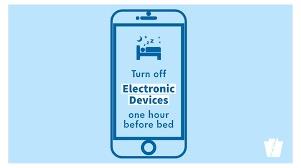
Image source : time.com
Image source : healthline.com
Image source : thebedguy.co.za
There is a well-established link between an individual's sleeping habits and their eating habits. Inadequate sleep is associated with increased caloric intake, poor dietary habits, increased snacking, less vegetable consumption, and obesity. Eating healthy and avoiding caffeinated drinks improve individuals’ sleep. For example, milk contain nutrients that promote sleep by inducing calmness and drowsiness.
Physical activity, on the other hand, can be both beneficial and detrimental to sleep. According to the studies, adults of all ages reported sleeping significantly better after engaging in at least 150 minutes of physical activity per week. Healthy people, in general, sleep better. However, exercise is not a treatment for insomnia. In fact, strenuous exercise in the evening usually causes physiological arousal, which delays the onset of sleep.
Smartphones have transformed the way we access the internet. The increased availability of pocket internet has paved the way for a market in apps aimed at improving health and wellbeing.
Sleep is also a target for the apps after exercise regimes and caloric intake. There is a wide variety of apps available that provide calming sounds, breathing techniques, and altered screen light to help people who struggle to sleep fall asleep. Other apps provide sleep analysis by detecting movement while an individual is sleeping. However, there is currently little evidence to support the efficacy of these apps, and they have been shown to be clinically inaccurate. The most promising sleep-improvement apps appear to be those that focus on dCBT interventions. The design and personalization of the apps are likely to increase user engagement and thus help them complete the entire course of therapy.
There are wearables available at the market which claim to help people monitor and assess their sleep. They include everything from wristbands and headbands to small nodes that attach to users' chests. According to the available evidence, while wearables may raise awareness about the importance of sleep, the quality and quantity of each night's sleep are not accurately measured, and they may not have a direct effect on actually improving sleep.