HIGH CHOLESTEROL LEVEL
Having high cholesterol can increase your risk of heart and circulatory diseases such as heart attack, stroke and vascular dementia.
WHAT IS HIGH CHOLESTEROL?A type of fatty molecule called cholesterol is present in the blood. We all naturally have some of it circulating in our bodies since the liver produces it. Every cell in the body uses it; it also serves as a building block for bile and is necessary for the production of certain hormones and vitamin D, thus we require it to maintain our health. This cholesterol is derived in part from the foods we consume.
When your blood has a high level of cholesterol, you have high cholesterol. Your risk of heart and circulation conditions like heart attacks and stroke may rise as a result.
WHAT ARE THE TYPES OF HIGH CHOLESTEROL?The two primary forms of cholesterol are good cholesterol and harmful cholesterol. A high level of "bad" cholesterol might have negative effects on your health. Proteins in your blood transport cholesterol. Lipoproteins are created when proteins and cholesterol mix.
HDL, or high-density lipoproteins, is referred to as "good" cholesterol. This is because it purges your blood of the "bad" cholesterol. It returns unnecessary cholesterol to the liver. It is broken down by the liver so that your body can expel it.
Non-high-density lipoproteins or non-HDL is called 'bad' cholesterol. This is because when there is too much of it, it can build up inside the walls of the blood vessels. This clogs them up causing narrowing of the arteries which increases your risk of having a heart attack or stroke.
You may have also heard 'bad' cholesterol being called 'LDL' cholesterol. This was previously used as the main measure of bad cholesterol but we now know that other forms of non-HDL cholesterol are also harmful.
TriglyceridesTriglycerides, a particular type fat, are also present in our blood. The body's fat cells store this. You may be more prone to have a high triglyceride level if you are extremely overweight, consume a lot of fatty and sugary meals, or consume excessive amounts of alcohol. Triglycerides can also lead to the artery walls becoming narrower, which raises your risk. Your doctor will be able to inform you whether it's too high if you notice it on the results of your cholesterol test.
A high triglyceride level can coexist with normal HDL and non-HDL cholesterol levels.
WHYS IS HIGH CHOLESTEROL BAD FOR YOU?Non-HDL transports cholesterol from the liver to your body's cells. Non-HDL, or "bad" cholesterol, can be dangerous in excess because it adheres to the inner lining of your arteries. Atherosclerosis is a condition where fatty material (atheroma) builds up as a result of this. Blood flow becomes more difficult as a result, which may cause a heart attack or stroke.
You may have a lot of poor (non-HDL) cholesterol in your blood if your total cholesterol is high. A high amount of "good" (HDL) cholesterol can aid in controlling and eliminating "bad" cholesterol from the body.
WHAT IS MY IDEAL CHOLESTEROL LEVEL?Since your doctor is considering your entire risk of developing heart and circulation illnesses, there is no precise target cholesterol level. In our video below, our nurse discusses cholesterol numbers:
WHAT CAUSES HIGH CHOLESTEROL?Anyone can develop high cholesterol, and a variety of factors can contribute to this condition. You can influence certain things, like your lifestyle choices, but not others. You can help reduce your risk as long as you take care of the things you can control.
You have some control over factors that raise cholesterol:
- Consuming too much saturated fat;
- Not getting enough exercise
- Having too much body fat, particularly in the midsection.
Smoking can raise your cholesterol levels, and the tar it creates in your arteries makes it simpler for cholesterol to adhere to the walls of your arteries.
You run a higher chance of having high cholesterol if you are overweight or have diabetes.
You cannot control the following factors that raise cholesterol:
- Getting older
- Being born a man or woman
- Having a certain ethnic origin
- Familial hypercholesterolaemia (FH), which is a type of high cholesterol that is congenital
- Kidney or liver disease
- Endocrine conditions such as hypothyroidism, often known as an underactive thyroid (when there is insufficient production of the thyroid hormone), and growth hormone deficiency (when not enough of the growth hormone is made).
Since there are usually no traditional symptoms of high cholesterol, it is crucial to have it evaluated. Being a hidden risk factor, it occurs without our knowledge until it is too late.
HOW IS CHOLESTEROL LEVEL MEASURED?A straightforward blood test is used to determine the blood cholesterol levels. A blood sample will be taken by your doctor or practise nurse, typically by pricking your finger, or you might be requested to go to your neighbourhood hospital for a blood test.
Then, in addition to obtaining a total cholesterol reading, your blood is examined for levels of good (HDL) cholesterol, bad (non-HDL) cholesterol, and triglycerides.
The units used to quantify cholesterol and triglycerides are millimoles per litre of blood, commonly abbreviated as mmol/Litre or mmol/L. Generally speaking, the goal is to have higher HDL levels and lower non-HDL levels for a healthy heart.
If your cholesterol level is high, your blood contains too much "bad" cholesterol, which raises your chance of suffering a heart attack or stroke. However, a high amount of "good" (HDL) cholesterol can aid in controlling levels of "bad" (non-HDL) cholesterol.
HOW IS HIGH CHOLESTEROL RELATED TO MY HEALTH?If you have high cholesterol together with other risk factors for heart and circulation disease, such as:
- Smoking
- High blood pressure
- Being inactive physically
- Being overweight
- Having diabetes
- Having a family history of early coronary heart disease (before age 55 for men and before age 65 for women)
- Being of South Asian descent
Your risk of acquiring a heart or circulatory disease, such as a heart attack, stroke, or vascular dementia, increases as your risk factors increase.
HOW CAN I LOWER MY CHOLESTEROL LEVELS?- Maintain a healthy diet low in saturated fat
- Get active or exercise
- Quit smoking
If lifestyle measures are ineffective for lowering your cholesterol because it is exceedingly high, your doctor may advise taking medication.
The primary class of medication used to lower cholesterol is statins. If you need to take any additional medications to help regulate your cholesterol levels, your doctor will let you know. They might also suggest a lipidologist as an expert for you.
WHY IS IT IMPORTANT TO SCREEN FOR CHOLESTEROL LEVELS?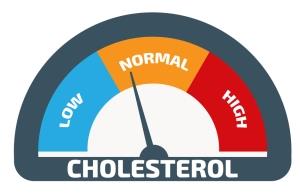
The likelihood of having a heart attack or stroke increases with cholesterol levels. However, without a test you can't determine how high it is, which is why it's crucial to get checked.
Why does high cholesterol increase your risk of heart attack and stroke?Fatty material can accumulate in the walls of your arteries as a result of high blood cholesterol levels. As a result, a heart attack or stroke may occur. This may occur if a fragment of the fatty substance separates, resulting in the formation of a blood clot that may block an artery. A heart attack or stroke results if this occurs in an artery that supplies your brain or heart, respectively.
What should I find out when I get tested?If you don't already have a long-term problem, an NHS Health Check in England will include a straightforward blood test. Your doctor should already be keeping track of your blood cholesterol if you suffer from coronary heart disease. Ask your doctor to inform you your total cholesterol, HDL cholesterol, LDL cholesterol, non-HDL cholesterol, and triglyceride levels when you get tested.
But what do all these terms mean?Cholesterol levels fluctuate, but generally speaking, the better the LDL and the worse the HDL.
LDL, or "bad" cholesterol, and HDL, or "good" cholesterol, are the two main forms of cholesterol. From your liver, LDL transports cholesterol to the cells that require it. However, if there is too much in your blood, it can lead to the buildup of fatty material in your artery walls, increasing your risk of heart attack and stroke. Because HDL transports cholesterol from the cells back to the liver for oxidation, it is referred regarded as a "good" type of cholesterol.
Low-density lipoprotein is referred to as LDL, and high-density lipoprotein is referred to as HDL. Lipoproteins are bundles of proteins and fats, mainly cholesterol. Like other fats, cholesterol is difficult to breakdown in water, therefore it moves through the bloodstream with protein. We discuss non-HDL cholesterol since there are other kinds of "bad" cholesterol as well. Your total cholesterol level less your HDL cholesterol level is the level of this. This is significant since it measures all of the "bad" cholesterol.
A blood lipid test examines all of the fats in your system, not just cholesterol, and includes triglycerides as another type of fat. Your liver naturally produces triglycerides as well, and a high quantity also increases your risk of heart and circulation problems. Foods including meats, dairy products, and cooking oils contain them.
What are normal cholesterol levels?Although everyone's cholesterol levels differ, in general, the lower the LDL and non-HDL, and the higher the HDL, the better. Millimoles per litre, or mmol/L, is the unit used to describe your blood cholesterol levels.
You should strive for:
- For people at high risk, total cholesterol should be under 4 mmol/L.
- Non-HDL cholesterol of 3 mmol/L or less in high-risk individuals
- LDL-cholesterol of 2mmol/L or below in high-risk individuals
A lipid profile or lipid panel, a common blood test that measures cholesterol, presents your data as four distinct parts:
- Total cholesterol
- LDL cholesterol
- HDL cholesterol
- Triglycerides
All findings are presented in milligrammes of cholesterol per deciliter of blood (mg/dL) in the United States. What those numbers all indicate for you are as follows:
Total cholesterol. According to the American Heart Association, this figure sums your LDL, HDL, and 20% of your triglyceride level. About total cholesterol
- Normal values fall below 200 mg/dL.
- 200-239 mg/dL is on the high side.
- A 240 mg/dL or higher level is high.
LDL cholesterol. What you believe to be high depends on your particular situation.
If you do not have heart disease or heart disease risk factors:
- A level under 100 mg/dL is ideal.
- A close to ideal range is 100-129 mg/dL.
- Borderline high ranges from 130 to 159 mg/dL.
- A high range is 160–189 mg/dL.
- A very high level is 190 mg/dL or more.
If you suffer from a heart condition like coronary artery disease or heart failure:
- The ideal level is under 70 mg/dL.
- A close to ideal range is 70-99 mg/dL.
- A high range is 100-159 mg/dL.
- A very high value is 160 mg/dL or more.
HDL cholesterol. A higher value for HDL (the "good kind") is preferable:
- An ideal level is 60 mg/dL or higher.
- A healthy range for men is 40-59 mg/dL or 50-59 mg/dL for women.
- A bad blood-sugar level is one that is below 50 mg/dL for women and 40 mg/dL for men.
Triglycerides. For these blood fat levels:
- A level of under 150 mg/dL is ideal.
- A borderline high level is 150–199 mg/dL.
- A high range is 200-499 mg/dL.
- A very high level is 500 mg/dL or more.
To establish if you have high cholesterol and how to treat it, your doctor will consider all of these figures in addition to your medical history.
When should I be worried?There is no cholesterol level at which we can predict whether or not you will experience a heart attack. Unless you have familial hypercholesterolemia, most doctors won't base their recommendations or treatments only on your cholesterol findings. The figures above only apply to people who are at a high risk because of this. If you are not at high risk, your doctor will consider cholesterol together with other risk factors, such as blood pressure, body mass index (your weight/height ratio), and lifestyle variables, such as smoking, nutrition, and physical activity (often as part of an NHS Health Check).
WWhat cholesterol level means I need medication?‘Although cholesterol levels fluctuate, in general the better LDL and HDL ratios are’
All of your risk variables, not only cholesterol, are taken into account when choosing a drug. Your likelihood of having a heart attack or stroke during the next 10 years is predicted by a cardiovascular risk assessment. Your doctor may refer to a "QRISK score" because QRISK is the name of the computer algorithm that forecasts it. You might be given dietary recommendations and medication therapy (often a statin) to help lower your cholesterol if it indicates a 10% risk or greater. Typically, the course of treatment is lengthy. More often than not, we base our recommendations on an individual's lifetime risk rather than just a 10-year risk. The online Heart Age Tool, created by the BHF and Public Health England, can help you determine your lifetime risk, or "heart age."
The tool will be more precise if you already know your cholesterol levels. Even if your cholesterol levels are normal, taking statins has been shown to lower your chance of having a major event if you already have heart disease.
Can I control my cholesterol through diet, without taking medication?Consuming a lot of fruits and vegetables, oats in particular, whole grains, beans, and lentils can all help decrease cholesterol. Losing weight, avoiding meals high in saturated fat, giving up smoking, and staying active are further ways to help. It's vital to realise that although changes in lifestyle can be beneficial, there are some situations when taking medicine may still be advised. Consult your doctor if you have any concerns about taking medication.
What’s changed when it comes to cholesterol?We now have several excellent research from the 1990s and later that demonstrate how taking a statin will lower a person's risk of having another heart attack after having one. Those who are at high risk of having a heart attack but have never had one can also lower their risk by taking a statin. You are now much more likely to hear about non-HDL cholesterol rather than just LDL and HDL cholesterol because we know more about the various types of "bad" cholesterol. Additionally, nowadays, you are typically not required to fast before a cholesterol test.
We now understand more about the hereditary origins of high cholesterol in some people, particularly familial hypercholesterolemia (FH), a disorder that causes extremely high cholesterol levels and, if ignored, can result in heart attacks as early as age 40. The BHF has provided significant funding for this research and has assisted in the implementation of nationwide screening, making it possible to identify patients with FH early and provide them with therapy to lower their risk of having a heart attack.
- What’s changed when it comes to cholesterol?
- What foods will lower my cholesterol?
- Substituting butter with vegetable oil spreads like rapeseed, sunflower, or olive oil spreads
- Substituting skim milk for whole milk
- Substituting natural yoghurt for double or sour cream.
- Substituting leaner, reduced fat choices for normal mince
- Substituting fish, turkey, chicken without the skin, or plant-based proteins like lentils, soy, or Quorn for red or processed meat
- Use unsalted nuts for crisps instead.
- Substituting reduced-fat cheese for regular cheese
- Ordering fewer Try our heart-healthy comfort meals instead for great alternatives.
- As they contain fibre and other nutrients, fruit and vegetables should make up at least five servings of your daily diet.
- Consume a lot of pulses (including lentils, beans, and chickpeas), oats, and seeds, as well as other high-fiber foods.
- When possible, choose wholegrain items like brown or granary bread over white.
- Can exercise help to lower cholesterol?
- Instead of using the elevator, use the stairs
- Walk quickly rather than slowly
- Jump for two minutes repeatedly throughout the day
- If you can't leave the house, try yoga or pilates;
- Workouts if you're restricted to your home.
- Will stopping smoking lower my cholesterol?
- Talking to your doctor about your struggles to quit smoking is a fantastic first step. If you live in England, you may also call the NHS Stop Smoking Service at 0300 123 1044.
- Additionally, Scotland, Wales, and Northern Ireland offer free services.
- Should I stop drinking if I have high cholesterol?
- Drink no more than 14 units of alcohol per week
- Abstain from alcohol on a few days of the week
- Drink half as much as you normally would to avoid binge drinking
- Order a modest glass of wine or half a pint of beer.
- Limit fat. Limit your intake of total fat to 25–35% of your total calories, which is 55–65 grammes for a 2,000-calorie diet. Reduce saturated fat intake to 11–13 grammes or less per day, or 5%–6% or less of total calories. Avoid trans fats. To choose goods with no trans fat and fewer than 2-3 grammes of saturated fat per serving, read the label instructions carefully.
- Switch to monounsaturated and polyunsaturated fats in favour of unhealthy saturated and trans fats. Animal fats, coconut oil, and palm oil are the main sources of saturated fat, which is typically solid at room temperature. Butter, cheese, and high-fat meats are a few foods that are high in saturated fat. Snack foods are the main source of trans fats, while some animal products naturally contain trace quantities. If partially hydrogenated oils are listed in the ingredient list on the label, the product includes trans fats. Unsaturated fats from plants, which are healthier, are liquid at room temperature. Olive oil, canola oil, peanut oil, safflower oil, sunflower oil, and corn oil are a few examples of sources of unsaturated fats.
- Limit cholesterol. Although the 2015 Dietary Guidelines do not provide a daily cholesterol intake number, they do recommend consuming as low cholesterol as possible while consuming nutritious meals. However, the numerous Healthy Eating Patterns indicate that people should consume 100 to 300 milligrammes of cholesterol daily. Egg yolks (one egg yolk has roughly 212 mg of cholesterol), fatty meat, whole milk, cheese, shrimp, lobster, and crab are examples of foods high in cholesterol. Purchase thinner cuts of meat, remove the skin from any chicken or turkey, and trim away any discernible fat.
- Keep a healthy weight. Losing weight if you are overweight will assist in lowering your total cholesterol and raising your high-density lipoprotein (HDL).
- Aerobic exercise helps increase your HDL. Consult your doctor before beginning an exercise programme if you haven't done so in a while. Start out cautiously and work up to 30 to 40 minutes of exercise at least five days per week. Walking quickly is considered aerobic workout. Consult your personal doctor or a cardiologist for an evaluation if you experience any inexplicable, recurrent chest discomfort, skipping of the heart, shortness of breath, or dizziness.
- Increase fibre consumption gradually. Women should aim for 25 grammes per day, while males should aim for 38 grammes. Pick items made from whole grains. Make soluble fibre at least half of your daily fibre intake. Fruits, legumes, dried beans, root vegetables, oats, barley, and flaxseed are excellent sources of soluble fibre. Soluble fibre consumption reduces LDL. Excellent sources of soluble fibre include blueberries, nectarines, raspberries, apples, apricots, figs, prunes, zucchini, cabbage, beans, peas, and lentils. A soluble fibre called psyllium is added to foods like bread and cereal. Additionally, it can be present in laxatives.
- Choose skinless chicken, turkey, and fish - Your protein sources from animals should be baked, broiled, or grilled. Six ounces of total animal sources per day is the maximum. Consider keeping your intake of lean red meat (beef, veal, and lamb) to once a week and sticking to the leanest cuts. Try the plating strategy rather than making the meat the main attraction of the dish. Put non-starchy vegetables on half of the dish and starchy vegetables, such as potatoes, peas, corn, lima beans, brown rice, or pasta, on the other quarter. Lean protein will now only occupy the remaining quarter of the plate.
- Make sure to eat meals high in omega-3 fatty acids. Omega-3 fatty acids, which reduce the risk of cardiovascular disease, are found in fatty fish including salmon, tuna, herring, sardines, and mackerel. Plan on eating at least two portions each week (six ounces total). Chia seeds and flaxseed are additional excellent sources of omega-3 fatty acids. Add chia seeds, flaxseed that has been ground or milled, or both, to your cereal or salad. Per day, aim for two tablespoons. (Whole flaxseed does not have the same health benefits because it is not absorbed by the body.) For more omega-3 fatty acids, consume spinach, walnuts, almonds, Brazil nuts, hazelnuts, and pecans.
- Pick at least one vegetarian meal each week. Utilize sources of protein such dry beans or canned navy, pinto, black, kidney, or garbanzo beans.
- Avoid skipping meals. According to research, eating fewer meals may result in higher cholesterol levels. Additionally, skipping meals might lead to binge eating later in the day.
- To receive all the nutrients you require, eat a variety of foods. Try to consume more than five servings of fruits and vegetables each day for a delightful and healthy diet. Try to consume two servings or more per day of low-fat or fat-free dairy products, such as skim milk or low-fat yoghurt.
- Aim for consuming two grammes of plant sterols or stanols per day. Plants are the source of plant stanols and sterols. Examples include vegetable oils, juice, and fortified margarine.
- Reduce your intake of processed foods and sugary foods (such as white flour, desserts, candy, juices, fruit drinks, soda pop, and sweetened beverages). According to the American Heart Association,
- Most women should consume no more than six tablespoons of sugar or 100 calories per day.
- Most males should consume no more than 150 calories or nine teaspoons of sugar each day.
The most crucial thing to do if you have high cholesterol is to consume less saturated fat. Saturated fats are found in foods like fatty, processed meat, pies, pastries, butter, cream, and coconut oil.
Although some meals have dietary cholesterol, they surprisingly don't have a significant impact on blood cholesterol levels. These include foods like eggs, prawns, crab, and some shellfish, as well as offal like liver, liver pate, and kidney. They are acceptable to eat as a part of a healthy diet because they are low in saturated fat.
Find out more about cholesterol and eggs
The easiest method to eat a healthier diet is to replace your saturated fats with foods that are high in unsaturated fat, such as oily fish, nuts, seeds, avocado, and vegetable oils (sunflower, olive, and rapeseed oil).
A few minor adjustments can have a significant impact on your cholesterol level. Many claim not to have noticed the difference. Try:
Consuming foods high in fibre can also assist to decrease cholesterol. The amount of cholesterol that is taken into your bloodstream from your intestine is decreased with the aid of fibre.
Easy ways to eat more fibre
Sure, it can. Exercise will raise your blood pressure and lower your cholesterol. Being physically active aids in the body's movement of harmful cholesterol to the liver, where it may be eliminated from the body.
If you don't like it, you don't have to go to the gym or go on long runs; simply look for opportunities to exercise more each day. Many people discover that being physically active elevates their mood, causing them to choose better foods. You might try:
If you smoke, you may already be aware that you need to quit if your cholesterol is high. Smoking raises "bad cholesterol" while lowering "good cholesterol," which raises your risk of heart attacks and stroke.
These services might provide you with helpful guidance on how to manage cravings and gradually give up smoking.
Learn more about the effects of smoking on your body.
Drinking less alcohol will improve the efficiency with which your liver removes harmful cholesterol. By assisting you to lose weight and lower your blood pressure, it may also enhance other aspects of your heart health.
Our best advice regarding alcohol consumption is to:
See more of our alcohol tips here.
You should see a decrease in your cholesterol levels as a result of some of these simple improvements.
Reduce your cholesterolAll of your concerns regarding cholesterol, including what it is, when to get checks, and more information about statins, are answered in our cholesterol centre.
More information on cholesterol
It's a good idea to have your cholesterol levels checked at least once a year if you have high cholesterol in order to monitor your progress. If your cholesterol readings are at or above the usual range, a checkup every five years is indicated.
Strategies To Lower Cholesterol11 foods that lower cholesterol
August 13, 2021
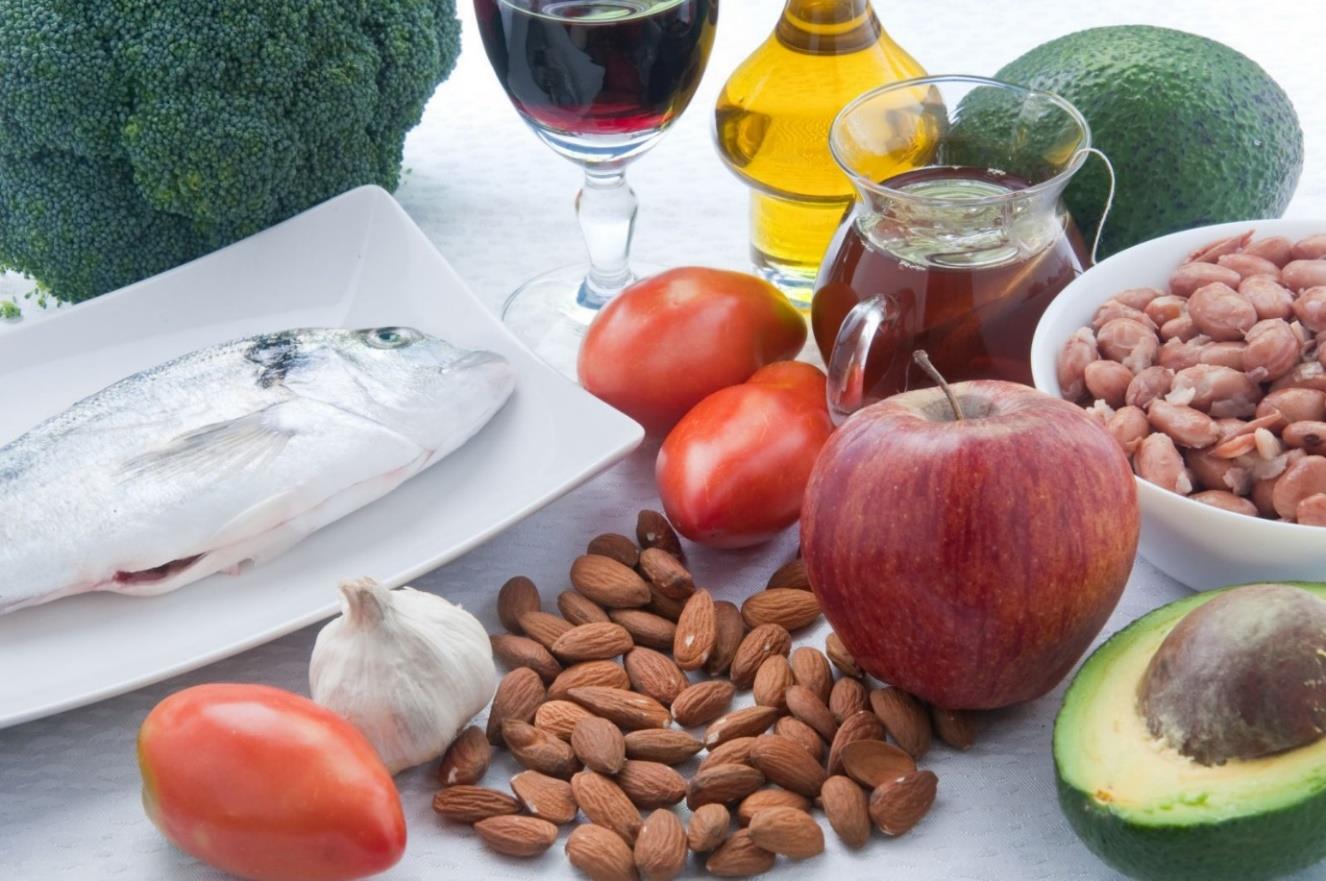
- Altering your diet can lower your cholesterol and reduce the amount of lipids in your system. The best strategy to attain a low cholesterol diet is to include foods that reduce LDL, the dangerous cholesterol-carrying particle that contributes to artery-clogging atherosclerosis.
- Consume these meals to reduce LDL cholesterol.
- Various foods can decrease cholesterol in different ways. Some foods contain soluble fibre, which binds to cholesterol and its precursors in the digestive tract and pushes them outside the body before they circulate. You can get polyunsaturated fats from some, and these directly lower LDL. Additionally, some of them contain stanols and plant sterols, which prevent the body from absorbing cholesterol.
- 1. Oats. Having a bowl of oatmeal or a cold oat-based cereal like Cheerios for breakfast is a simple first step to decreasing your cholesterol. You receive 1-2 grammes of soluble fibre from it. For an additional half gramme, add a banana or some strawberries. The current nutritional recommendations call for consuming 20 to 35 grammes of fibre day, at least 5 to 10 of which should be soluble fibre. (The typical American receives almost half that amount.)
- 2. Barley and other whole grains. Barley and other whole grains, including oats and oat bran, can reduce the risk of heart disease, primarily because of the soluble fibre they provide.
- Science has established that persistent, low-grade inflammation can act as a silent killer by causing illnesses including type 2 diabetes, cancer, and cardiovascular disease. Get practical advice from Harvard Medical
- View Protect yourself from the damage of chronic inflammation.
- 3. Beans. Particularly abundant in soluble fibre are beans. Additionally, they take a while for the body to digest, prolonging the time that you feel full after eating. Beans are advantageous as a food for people who are trying to lose weight because of this. Beans are a particularly adaptable food because there are so many varieties available, ranging from navy and kidney beans to lentils, garbanzos, black-eyed peas, and more.
- 4. Eggplant and okra. The soluble fibre in these two low-calorie vegetables is excellent.
- 5. Nuts. Numerous studies have demonstrated the heart-health benefits of eating nuts like almonds, walnuts, peanuts, and others. A daily serving of 2 ounces of nuts can reduce LDL by about 5%. Additional nutrients found in nuts help to protect the heart in various ways.
- 6. Vegetable oils. When cooking or at the table, using liquid vegetable oils such canola, sunflower, safflower, and others for butter, lard, or shortening helps decrease LDL.
- 7. Apples, grapes, strawberries, citrus fruits. Pectin, a form of soluble fibre that decreases LDL, is abundant in several fruits.
- Strokes are the fifth largest cause of death and a major contributor to disability in the United States. Learn about your risk factors for stroke, evidence-based preventive measures, early warning symptoms of a stroke, and how to seek quick, life-saving care from Harvard Medical School specialists.
- View There is no such thing as a small stroke…
- 8. Foods fortified with sterols and stanols. Plant-derived stanols and sterols prevent the body from absorbing cholesterol from meals. Companies are putting them in everything from margarine and granola bars to chocolate and orange juice. They can also be purchased as supplements. A daily intake of 2 grammes of plant sterols or stanols can reduce LDL cholesterol by 10%.
- 9. Soy. It was originally recommended that eating soybeans and products manufactured from them, such as tofu and soy milk, would significantly cut cholesterol. Studies reveal that the effect is less dramatic; 25 grammes of soy protein per day (equivalent to 10 ounces of tofu or 2 1/2 cups of soy milk) can reduce LDL cholesterol by 5% to 6%.
- 10. Fatty fish. By substituting fish for meat, which contains saturated fats that raise LDL and omega-3 fatty acids that lower LDL, eating fish two or three times a week can lower LDL in two different ways. In addition to lowering blood triglycerides, omega-3 fatty acids shield the heart from developing irregular cardiac rhythms.
- 11. Fiber supplements. The least appealing approach to obtain soluble fibre is through supplements. Psyllium, which is present in Metamucil and other bulk-forming laxatives, provides around 4 grammes of soluble fibre in just two tablespoons daily.
- Instead of placing all your eggs in one basket when it comes to investing money, experts advise building a portfolio of varied investments. The same is true for lowering cholesterol through diet. It should be more effective to include a variety of foods to lower cholesterol than to concentrate on just one or two.
- LDL, triglycerides, and blood pressure are significantly reduced by a "dietary portfolio of cholesterol-lowering foods" that is primarily vegetarian. The most important dietary components are an abundance of fruits and vegetables, whole grains rather than highly refined ones, and largely plant-based protein. Include plant sterol-enriched margarine, soluble fiber-rich foods like oats, barley, psyllium, okra, and eggplant, soy protein, and whole almonds.
- It goes without saying that changing to a cholesterol-lowering diet requires more attention than taking a statin every day. It entails increasing the variety of things you typically add to your shopping cart and acclimating to new flavours and textures. However, it's a "natural" method, avoiding the possibility of muscle issues and other negative effects that some statin users experience.
- In addition, a diet high in fruits, vegetables, legumes, and nuts is beneficial to the body in ways other than decreasing cholesterol. It controls blood pressure. It keeps the arteries pliable and sensitive. It benefits digestion, vision, and brain as well as bone health.
Foods to Help Lower LDL (‘Bad’) Cholesterol
Medically Reviewed by James Beckerman, MD, FACC on June 12, 2020

- 1/14
- It's no secret that some meals can help you reduce your levels of LDL ("bad") cholesterol, which results in a buildup of plaque in the arteries and eventually causes heart disease, heart attacks, and stroke. But you might be surprised to learn that many of these items are tasty and simple to include in regular meals without compromising flavour or excitement.
- 2/14
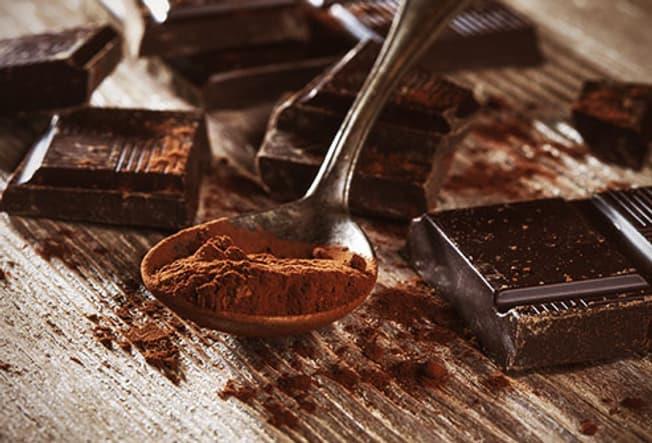
- Flavonoids, an antioxidant that helps lower LDL levels, are present in dark chocolate. Just remember to consume it in moderation since chocolate is also heavy in sugar and saturated fat. To achieve similar heart-healthy results, you can also use dark, unsweetened cocoa powder in your cuisine.
- 3/14
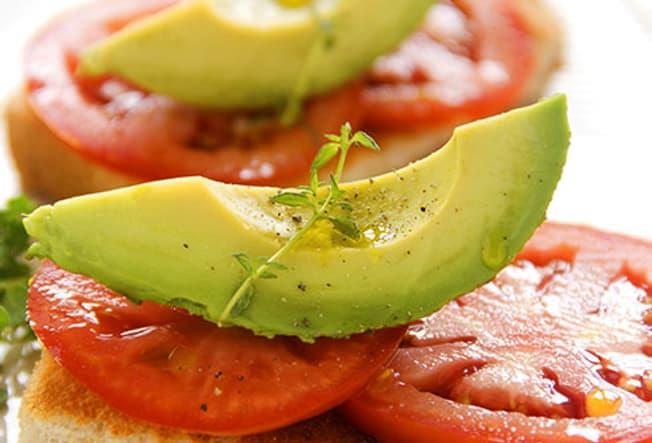
- Avocados are used for more than just guacamole. They provide you with oleic acid, which aids in reducing blood levels of harmful cholesterol. Try adding a few slices to your salad or a turkey sandwich. Additionally, avocado oil, which has a delicate, sweet flavour, can be substituted for other cooking oils.

- 4/14
- Resveratrol, a compound in red grape skin, is present in red wine and may protect blood arteries by lowering LDL and lowering the risk of blood clots. However, excessive alcohol use can lead to a number of other health problems, so while a glass of red wine at dinner is acceptable, don't go overboard.
- 5/14
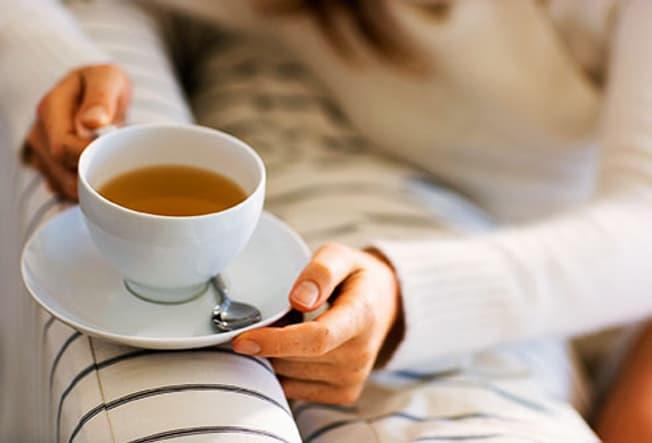
- Strong antioxidants found in both black and green teas may lower cholesterol levels. Due to its production from unfermented leaves and minimal processing, green tea often includes higher concentrations of these antioxidant powerhouses. Just use a little less sugar and cream
- 6/14
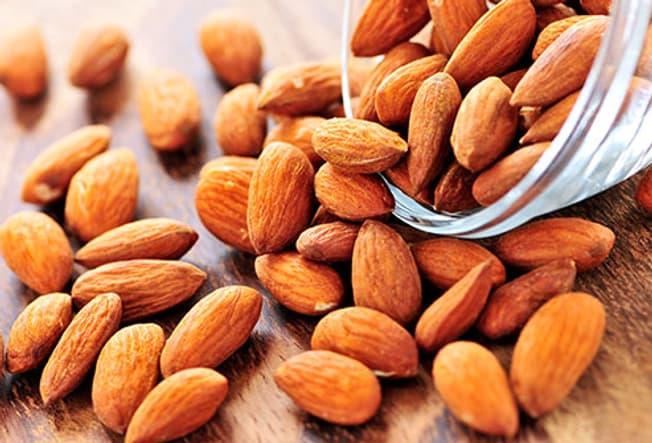
- Almonds, walnuts, and pistachios are good sources of polyunsaturated fatty acids, which can lower your LDL cholesterol levels. Consider adding them to your salad or snacking on them straight from the hand. Just make sure to pick the low-salt variety and limit yourself to approximately 1.5 ounces of nuts daily as they are also very calorie-dense.
- 7/14
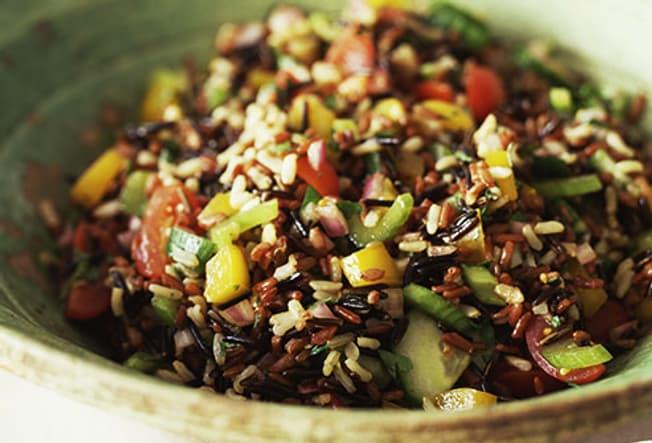
- Soluble fibre, which is abundant in barley, oatmeal, and brown rice, has been shown to decrease LDL cholesterol by preventing the absorption of cholesterol into the bloodstream. Try substituting whole-grain pasta for your normal spaghetti or brown rice for white rice. Add high-fiber fruit, like bananas or apples, to your morning porridge for an extra cholesterol-busting boost.
- 8/14
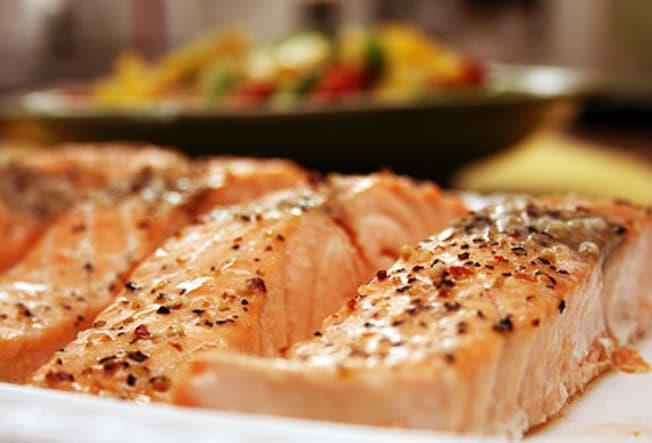
- Fish high in omega-3 fatty acids, which lower blood triglycerides, include salmon, albacore tuna, sardines, and halibut. To keep it healthy, consume 8 ounces of fish each week and bake or broil it rather than frying it.
- 9/14
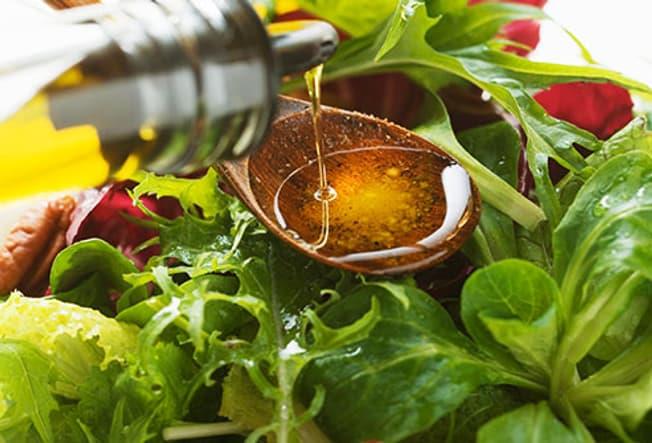
- Olive oil is a plant-based fat, making it a healthier alternative to animal-based fats when attempting to reduce "bad" cholesterol. For a salad dressing, it works well combined with red wine vinegar, a minced clove of garlic, and a little ground pepper. Try braising vegetables like leeks or carrots for something new. Simply spread 3 tablespoons of oil over the vegetables in a small baking dish, top with fresh herbs, cover with foil, and bake for about 45 minutes at 375 degree
- 10/14
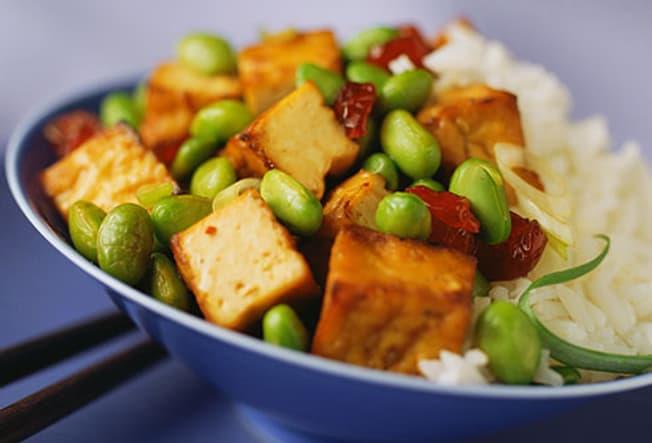
- Foods strong in protein like edamame, soy milk, and tofu can lower your cholesterol by 5–6% with just 25 grammes consumed daily. Eat edamame as a snack, add soy milk to your bowl of cereal, or replace the meat in your stir-fries with tofu.
- 11/14
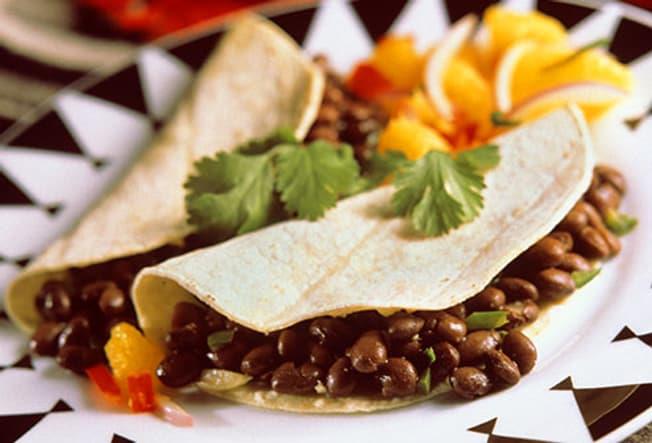
- Oh my! Black beans, kidney beans, and lentils! All are high in soluble fibre, which binds to blood cholesterol and helps the body eliminate it. According to recent research, consuming 4.5 ounces of beans daily can lower LDL levels by 5%. For an afternoon snack, try black bean burritos or hummus made from chickpeas with some vegetables. Or try this Caramelized Onion and White Bean Flatbread; the options are unlimited because beans are so adaptable.

- 12/14
- Pectin, a kind of fibre that can decrease cholesterol, is abundant in pears and apples. Oranges and lemons fall into the category of citrus fruits. Berries are rich in fibre as well. Try serving this side dish of Pear and Red Onion Gratin. Or, before you leave the house in the morning, grab a Citrus Berry Smoothie.
- 13/14
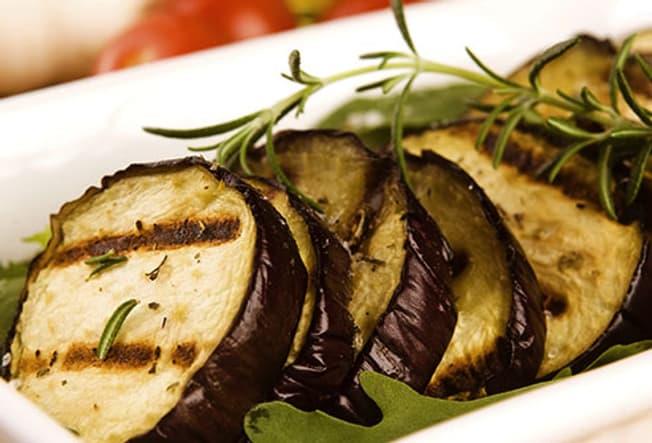
- The majority of veggies are low in calories and high in fibre. High concentrations of soluble fibre are found in okra and eggplant. Antioxidants are abundant in eggplants as well. However, all vegetables will provide you with fibre and healthy nutrients.

- 14/14
- Your body absorbs less cholesterol when you consume plant-based foods that include sterols, which are natural compounds. These days, a variety of foods, including yoghurt, granola bars, and orange juice, are enhanced with plant sterols, which can lower cholesterol levels by 6% to 15%. To be sure you aren't consuming too many calories, simply read the label.