Blood Pressure
Measure your blood pressure regularly to help your health care team diagnose any health problems early. You and your health care team can take steps to control your blood pressure if it is too high.
Why do I need to measure my blood pressure?Measuring your blood pressure is the only way to know whether you have high blood pressure. High blood pressure usually has no warning signs or symptoms, and many people do not know they have it.
Where can I get my blood pressure checked?You can get your blood pressure measured
- By a health care team member at a doctor’s office.
- At a pharmacy that has a digital blood pressure measurement machine.
- With a home blood pressure monitor that you can use yourself.
Take this form pdf icon[PDF – 105 KB] with you on your first blood pressure visit to record important blood pressure-related information.
SCAN THIS FORM TO FILL IN ALL THE NEEDED DETAILS DURING YOUR DOCTOR’S APPOINTMENT
What affects a blood pressure reading?Many things can affect a blood pressure reading, including:
- Nervousness about having your blood pressure taken. This is called “white coat syndrome.” As many as 1 in 3 people who have a high blood pressure reading at the doctor’s office may have normal blood pressure readings outside of it.1
- What you ate, drank, or did before your reading. If you smoked, drank alcohol or caffeine, or exercised within 30 minutes of having your blood pressure measured, your reading might be higher.2
- How you are sitting. Crossing your legs and letting your arm droop at your side rather than rest on a table at chest height can make your blood pressure go up.2
It’s important to get an accurate blood pressure reading so that you have a clearer picture of your risk for heart disease and stroke.
A reading that says your blood pressure is lower than it actually is may give you a false sense of security about your health. A reading that says your blood pressure is higher than it actually is may lead to treatment you don’t need
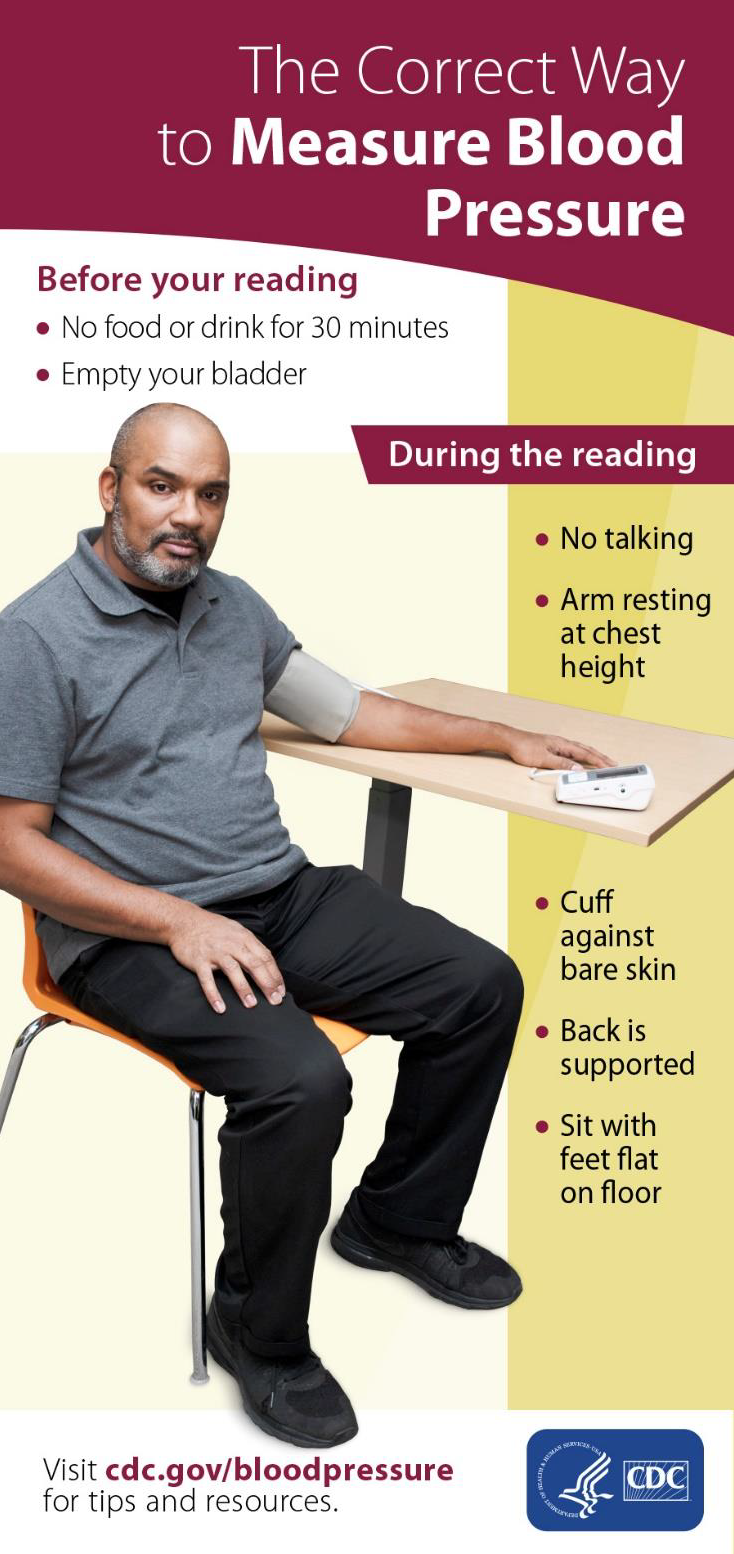
Learn the correct way to have your blood pressure taken, whether you’re getting it checked at the doctor’s office or checking it yourself at home. Use this checklist:
- Don’t eat or drink anything 30 minutes before you take your blood pressure.
- Empty your bladder before your reading.
- Sit in a comfortable chair with your back supported for at least 5 minutes before your reading.
- Put both feet flat on the ground and keep your legs uncrossed.
- Rest your arm with the cuff on a table at chest height.
- Make sure the blood pressure cuff is snug but not too tight. The cuff should be against your bare skin, not over clothing.
- Do not talk while your blood pressure is being measured.
First, a health care professional wraps an inflatable cuff around your arm. The health care professional then inflates the cuff, which gently tightens on your arm. The cuff has a gauge on it that will measure your blood pressure.
The health care professional will slowly let air out of the cuff while listening to your pulse with a stethoscope and watching the gauge. This process is quick and painless. If using a digital or automatic blood pressure cuff, the health care professional will not need to use a stethoscope.
The gauge uses a unit of measurement called millimeters of mercury (mmHg) to measure the pressure in your blood vessels.
If you have high blood pressure, talk to your health care team about steps to take to control your blood pressure to lower your risk for heart disease and stroke.
Use this list of questions to ask your health care team pdf icon [PDF – 173 KB] to help you manage your blood pressure.
How can I measure my blood pressure at home?Talk with your health care team about regularly measuring your blood pressure at home, also called self-measured blood pressure (SMBP) monitoring.
SMBP means you regularly use a personal blood pressure measurement device away from a doctor’s office or hospital—usually at home. These blood pressure monitors are easy and safe to use. A health care team member can show you how to use one if you need help.
Evidence shows that people with high blood pressure are more likely to lower their blood pressure if they use SMBP combined with support from their health care team than if they don’t use SMBP.3
Use these additional tips for SMBP:4
- Use a blood pressure log pdf icon[PDF – 284 KB] to record your blood pressure measurements.
- Take your blood pressure at the same time every day.
- Take at least two readings, 1 or 2 minutes apart.
SCAN THIS TO GET YOUR OWN BLOOD PRESSURE LOG FOR OPTIMAL HOME MONITORING
How often should I measure my blood pressure?Talk with your health care team about how often you should have your blood pressure measured or when to measure it yourself. People who have high blood pressure may need to measure their blood pressure more often than people who do not have high blood pressure.
What should I do if my blood pressure numbers are high?If you are concerned about your blood pressure numbers, talk to your health care team. They can help you make a plan to manage high blood pressure.
No matter your age, you also can take steps each day to help keep your blood pressure in a healthy range.
Questions to Ask My Doctor Measuring Blood Pressure- How often should I measure my blood pressure?
- How can I measure my blood pressure outside the doctor’s office?
- What do I need to know about correctly measuring my blood pressure?
- What foods or drinks should I have or avoid to help me keep a healthy blood pressure?
- What types of physical activity are right for me to do on a regular basis?
- If I need to start taking blood pressure medicine, what type is best for me?
- I am currently taking blood pressure medicine. Do I need to adjust my dose or try a new type? How is my progress?
- What are the possible side effects of my current or new medicines?
- How often should I refill my medicine?
- What time of day should I take my blood pressure medicine?
- Should I take it with or without food?
- What should I do if I forget to take my blood pressure medicine?
17 Effective Ways to Lower Your Blood Pressure
- Increase activity
- Lose weight
- Cut back on sugar
- Eat more potassium
- Eat less processed food
- Stop smoking
- Reduce stress
- Try meditation or yoga
- Eat dark chocolate
- Try medicinal herbs
- Get restful sleep
- Eat garlic
- Eat high protein foods
- Take BP-lowering supplements
- Drink less alcohol
- Cut back on caffeine
- Take prescription medication
High blood pressure (hypertension) is called the “silent killer” for good reason. It often has no symptoms but is a major risk of heart disease and stroke. And these diseases are among the leading causes of death in the United States (1Trusted Source).
Almost half of U.S. adults have high blood pressure (2Trusted Source).
Your blood pressure is measured in millimeters of mercury, which is abbreviated as mm Hg. There are two numbers involved in the measurement:
- Systolic blood pressure. The top number represents the force of the pressure when your heart pushes blood into the arteries throughout the rest of your body.
- Diastolic blood pressure. The bottom number represents the pressure in your blood vessels between beats, when your heart is filling and relaxing.
Your blood pressure depends on how much blood your heart is pumping, and how much resistance there is to blood flow in your arteries. The narrower your arteries, the higher your blood pressure.
Blood pressure lower than 120/80 mm Hg is considered normal. Blood pressure that’s 130/80 mm Hg or more is considered high.
If your numbers are above normal but under 130/80 mm Hg, you fall into the category of elevated blood pressure. This means you’re at risk of developing high blood pressure (3).
The good news about elevated blood pressure is that you can make changes to significantly reduce your numbers and lower your risk — without requiring medications.
Here are 17 effective ways to lower your blood pressure levels.
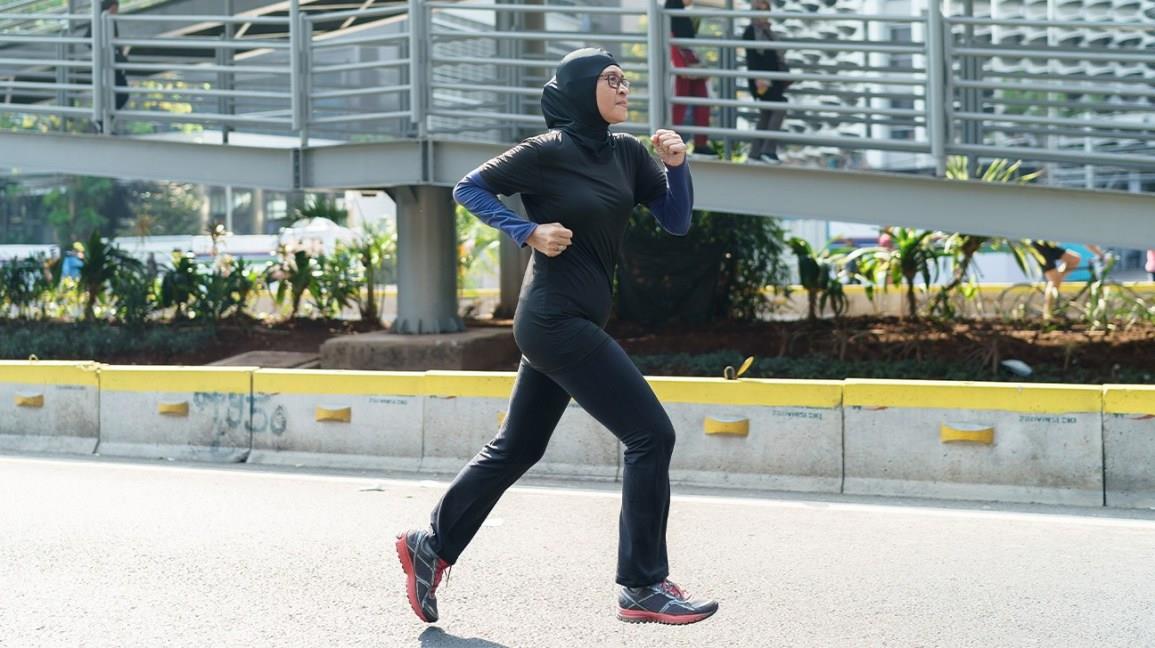
1. Increase activity and exercise more
A meta-analysis of 65 studies suggests that aerobic and resistance exercise can significantly lower blood pressure, especially for men (4Trusted Source).
In a 2013 study, sedentary older adults who participated in aerobic exercise training lowered their blood pressure by an average of 3.9 percent systolic and 4.5 percent diastolic (5). These results are as good as some blood pressure medications.
As you regularly increase your heart and breathing rates, over time your heart gets stronger and pumps with less effort. This puts less pressure on your arteries and lowers your blood pressure.
How much activity should you strive for?
A 2019 report by the American College of Cardiology and the American Heart Association advises moderate- to vigorous-intensity physical activity for 40-minute sessions, three to four times per week (6Trusted Source).
If finding 40 minutes at a time is a challenge, there may still be benefits when the time is divided into three or four 10- to 15-minute segments throughout the day (7Trusted Source).
The American College of Sports Medicine makes similar recommendations (8).
But you don’t have to run marathons. Increasing your activity level can be as simple as:
- using the stairs
- walking instead of driving
- doing household chores
- gardening
- going for a bike ride
- playing a team sport
Just do it regularly and work up to at least half an hour per day of moderate activity.
One example of moderate activity that can have big results is tai chi. A 2017 review on the effects of tai chi and high blood pressure shows an overall average of a 15.6 mm Hg drop in systolic blood pressure and a 10.7 mm Hg drop in diastolic blood pressure compared with no exercise at all (9Trusted Source).
A 2014 review on exercise and lowering blood pressure found that there are many combinations of exercise that can lower blood pressure (10Trusted Source).
These exercises include:
- aerobic exercise
- resistance training
- high-intensity interval training
- short bouts of exercise throughout the day
- walking 10,000 steps a day
Ongoing studies continue to suggest that there are still benefits to even light physical activity, especially for older adults (11).
2. Lose weight if you’re overweight
If you’re overweight, losing 5 to 10 pounds can reduce your blood pressure. Plus, you’ll lower your risk of other potential medical problems.
A review of several studies reports that weight loss diets reduced blood pressure by an average of 3.2 mm Hg diastolic and 4.5 mm Hg systolic (12).
3. Cut back on sugar and refined carbohydrates
Many studies show that restricting sugar and refined carbohydrates can help you lose weight and lower your blood pressure.
Sugar, especially fructose, may increase your blood pressure more than salt, according to one 2014 review. In trials lasting at least 8 weeks, sugar increased blood pressure by 5.6 mm Hg diastolic and 6.9 mm Hg systolic (13).
A 2020 study that compared various popular diets found that for people who with more weight or obesity, low carb and low fat diets lowered their diastolic blood pressure by an average of about 5 mm Hg and their systolic blood pressure 3 mm Hg after 6 months (14Trusted Source).
Another benefit of a low carb, low sugar diet is that you feel fuller longer, because you’re consuming more protein and fat.
Best foods for high blood pressure
HEALTHLINE RESOURCE
Get our cholesterol micro-lessons to support you in making lasting lifestyle changes to manage your cholesterol levels. Our experts have gathered cholesterol-lowering tips into free 5-min lessons.
4. Eat more potassium and less sodium
Increasing your potassium intake and cutting back on salt can also lower your blood pressure (15).
Potassium is a double winner: It lessens the effects of salt in your system and eases tension in your blood vessels. However, diets rich in potassium may be harmful to people with kidney disease, so talk with your doctor before increasing your potassium intake.
It’s easy to eat more potassium. So many foods are naturally high in potassium. Here are a few:
- low fat dairy foods, such as milk and yogurt
- fish
- fruits, such as bananas, apricots, avocados, and oranges
- vegetables, such as sweet potatoes, potatoes, tomatoes, greens, and spinach
Note that people respond to salt differently. Some people are salt-sensitive, meaning that a higher salt intake increases their blood pressure. Others are salt-insensitive. They can have a high salt intake and excrete it in their urine without raising their blood pressure (16).
The National Institutes of Health recommends reducing salt intake using the DASH (Dietary Approaches to Stop Hypertension) diet (17Trusted Source). The DASH diet emphasizes:
- low sodium foods
- fruits and vegetables
- low fat dairy
- whole grains
- fish
- poultry
- beans
- fewer sweets and red meats
5. Eat less processed food
Most of the extra salt in your diet comes from processed foods and foods from restaurants, not your salt shaker at home (18Trusted Source). Popular high salt items include:
- deli meats
- canned soup
- pizza
- chips
- other processed snacks
Foods labeled “low fat” are usually high in salt and sugar to compensate for the loss of fat. Fat is what gives food taste and makes you feel full.
Cutting down on — or even better, cutting out — processed food will help you eat less salt, less sugar, and fewer refined carbohydrates. All of this can result in lower blood pressure.
Make it a practice to check nutrition labels. According to the Food and Drug Administration (FDA), a sodium listing of 5 percent or less on a food label is considered low, while 20 percent or more is considered high (19Trusted Source).
6. Stop smoking
It can be difficult to do, but it’s worth it: Stopping smoking is good for your all-around health. Smoking causes an immediate but temporary increase in your blood pressure and an increase in your heart rate (20).
In the long term, the chemicals in tobacco can increase your blood pressure by damaging your blood vessel walls, causing inflammation, and narrowing your arteries. The hardened arteries cause higher blood pressure.
The chemicals in tobacco can affect your blood vessels even if you’re around secondhand smoke.
7. Reduce excess stress
We live in stressful times. Workplace and family demands, national and international politics — they all contribute to stress. Finding ways to reduce your own stress is important for your health and your blood pressure.
There are lots of ways to successfully relieve stress, so find what works for you. Practice deep breathing, take a walk, read a book, or watch a comedy.
Listening to music daily has also been shown to reduce systolic blood pressure (22).
A 20-year study showed that regular sauna use reduced death from heart-related events (23).
And one small 2015 study has shown that acupuncture can lower both systolic and diastolic blood pressure (24).
8. Try meditation or yoga
Mindfulness and meditation, including transcendental meditation, have long been used — and studied — as methods to reduce stress.
Yoga, which commonly involves breathing control, posture, and meditation techniques, can also be effective in reducing stress and blood pressure.
A 2013 review on yoga and blood pressure found an average blood pressure decrease of 3.62 mm Hg diastolic and 4.17 mm Hg systolic when compared with those who didn’t exercise.
Studies of yoga practices that included breath control, postures, and meditation were nearly twice as effective as yoga practices that didn’t include all three of these elements (25).
9. Eat some dark chocolate
Yes, chocolate lovers: Dark chocolate has been shown to lower blood pressure.
But the dark chocolate should be 60 to 70 percent cacao. A review of studies on dark chocolate has found that eating one to two squares of dark chocolate per day may help lower the risk of heart disease by lowering blood pressure and inflammation.
The benefits are thought to come from the flavonoids present in chocolate with more cocoa solids. The flavonoids help dilate, or widen, your blood vessels (26).
10. Try these medicinal herbs
Herbal medicines have long been used in many cultures to treat a variety of ailments.
Some herbs have even been shown to possibly lower blood pressure. However, more research is needed to identify the doses and components in the herbs that are most useful.
Always check with your doctor or pharmacist before taking herbal supplements. They may interfere with your prescription medications.
Here’s a partial list of plants and herbs that are used by cultures throughout the world to lower blood pressure:
- black bean (Castanospermum australe)
- cat’s claw (Uncaria rhynchophylla)
- celery juice (Apium graveolens)
- Chinese hawthorn (Crataegus pinnatifida)
- ginger root
- giant dodder (Cuscuta reflexa)
- Indian plantago (blond psyllium)
- maritime pine bark (Pinus pinaster)
- river lily (Crinum glaucum)
- roselle (Hibiscus sabdariffa)
- sesame oil (Sesamum indicum)
- tomato extract (Lycopersicon esculentum)
- tea (Camellia sinensis), especially green tea and oolong tea
- umbrella tree bark (Musanga cecropioides)
11. Make sure to get good, restful sleep
Your blood pressure typically dips down when you’re sleeping. If you don’t sleep well, it can affect your blood pressure.
People who experience sleep deprivation, especially those who are middle-aged, have an increased risk of high blood pressure (27Trusted Source).
For some people, getting a good night’s sleep isn’t easy. These are some of the many ways to help you get restful sleep (28Trusted Source):
- Try setting a regular sleep schedule.
- Spend time relaxing before bedtime.
- Exercise during the day.
- Avoid daytime naps.
- Make your bedroom comfortable.
The 2010 national Sleep Heart Health Study found that regularly sleeping fewer than 7 hours a night and more than 9 hours a night was associated with an increased rate of high blood pressure.
Regularly sleeping fewer than 5 hours a night was linked to a significant risk of high blood pressure long term (29).
12. Eat garlic or take garlic extract supplements
Fresh garlic or garlic extract are both widely used to lower blood pressure.
A meta-analysis found that for people with high blood pressure, garlic supplements reduced their systolic blood pressure by up to about 5 mm Hg and reduced their diastolic blood pressure as much as 2.5 mm Hg (30Trusted Source).
According to a 2009 clinical study, a time-release garlic extract preparation may have a greater effect on blood pressure than regular garlic powder tablets (31).
13. Eat healthy high protein foods
A long-term study concluded in 2014 found that people who ate more protein had a lower risk of high blood pressure. For those who ate an average of 100 grams of protein per day, there was a 40 percent lower risk of having high blood pressure than those on a low protein diet (32).
Those who also added regular fiber into their diet saw up to a 60 percent reduction of risk.
However, a high protein diet may not be for everyone. Those with kidney disease may need to use caution. It’s best to talk with your doctor.
It’s fairly easy to consume 100 grams of protein daily on most types of diets.
High protein foods include:
- fish, such as salmon or canned tuna in water
- eggs
- poultry, such as chicken breast
- beef
- beans and legumes, such as kidney beans and lentils \
- nuts or nut butter, such as peanut butter
- chickpeas
- cheese, such as cheddar
A 3.5-ounce serving of salmon can have as much as 22 grams of protein, while a 3.5-ounce serving of chicken breast might contain 30 grams of protein.
With regard to vegetarian options, a half-cup serving of most types of beans contains 7 to 10 grams of protein. Two tablespoons of peanut butter would provide 8 grams (33).
14. Take these BP-lowering supplements
These supplements are readily available and have demonstrated promise for lowering blood pressure:
Omega-3 polyunsaturated fatty acidAdding omega-3 polyunsaturated fatty acids or fish oil to your diet can have many benefits.
A meta-analysis of fish oil and blood pressure found a mean blood pressure reduction in those with high blood pressure of 4.5 mm Hg systolic and 3.0 mm Hg diastolic (34).
Whey proteinThis protein complex derived from milk may have several health benefits in addition to possibly lowering blood pressure (35Trusted Source).
MagnesiumMagnesium deficiency is related to higher blood pressure. A meta-analysis found a small reduction in blood pressure with magnesium supplementation (36).
CitrullineOral L-citrulline is a precursor to L-arginine in the body, a building block of protein, which may lower blood pressure (37Trusted Source).
15. Drink less alcohol
Alcohol can raise your blood pressure, even if you’re healthy.
It’s important to drink in moderation. According to a 2006 study, alcohol can raise your blood pressure by 1 mm Hg for each 10 grams of alcohol consumed (38). A standard drink contains 14 grams of alcohol.
What constitutes a standard drink? One 12-ounce beer, 5 ounces of wine, or 1.5 ounces of distilled spirits (39Trusted Source).
Moderate drinking is up to one drink a day for women and up to two drinks per day for men (40Trusted Source).
A review found that although drinking more than 30 grams of alcohol may initially lower blood pressure, after 13 hours or more, systolic blood pressure increased by 3.7 mm HG and diastolic blood pressure increased by 2.4 mm Hg (41).
16. Consider cutting back on caffeine
Caffeine raises your blood pressure, but the effect is temporary.
In a 2017 study, the systolic blood pressure of 18 participants was elevated for 2 hours after they drank 32 ounces of either a caffeinated drink or an energy drink. Blood pressure then dropped more quickly for the participants who drank a caffeinated drink (42Trusted Source).
Some people may be more sensitive to caffeine than others. If you’re caffeine-sensitive, you may want to cut back on your coffee consumption, or try decaffeinated coffee.
Research on caffeine, including its health benefits, is in the news a lot. The choice of whether to cut back depends on many individual factors.
One older study indicated that caffeine’s effect on raising blood pressure is greater if your blood pressure is already high. This same study, however, called for more research on the subject (43).
17. Take prescription medication
If your blood pressure is very high or doesn’t decrease after making these lifestyle changes, your doctor may recommend prescription drugs.
They work and will improve your long-term outcome, especially if you have other risk factors (44Trusted Source). However, it can take some time to find the right combination of medications.
Talk with your doctor about possible medications and what might work best for you.
How to lower blood pressure naturally
The term “lifestyle changes” implies you will need to change your habits to bring your blood pressure down. Broadly speaking, these modifications are natural — non-pharmaceutical — ways of lowering blood pressure. Six methods have been proven effective in clinical studies, and two others are recommended:
1. Eat less salt
“Cutting your salt intake is probably the most important way to lower your blood pressure. Studies have shown that a low-sodium diet has the same effect as one and a half to two blood pressure medications,” says Dr. Laffin.
The average American consumes 3,500 mg of sodium a day — far more than the American Heart Association recommendation of no more than 1,500 mg, or about one teaspoon, of salt. Because this amount is so strict, Cleveland Clinic sets the limit at 2,300 mg. “The difference in effect is only a drop of 2 to 3 mmHg,” says Dr. Laffin. “At minimum, we recommend lowering sodium intake by at least 1,000 mg per day.”
Because sodium is hidden in so many foods, avoiding sodium is difficult, unless you cook everything from scratch at home, never eat out and avoid processed foods of any kind, including bread. But it’s possible. “It takes about 10 to 14 days to adjust to a low-sodium diet; then some foods will begin to taste salty,” says Dr. Laffin.
IMPACT: If you have hypertension, limiting sodium to 1,500 mg a day should drop your blood pressure by 5 or 6 mmHg.
2. Consume more potassium
A diet high in fast foods, processed foods, carbohydrates, potatoes and meat is likely to be low in potassium, contributing to high blood pressure. A daily intake of 3,000 to 3,500 mg of potassium through foods such as bananas, tomatoes and other vegetables is recommended.
If you have significant kidney disease, you should be careful not to consume too much potassium, because your kidneys may not be able to eliminate it, says Dr. Laffin.
IMPACT: If you have hypertension, increasing potassium intake to recommended levels should drop your blood pressure 4 to 5 mmHg.
3. Adopt the DASH diet
The Dietary Approaches to Stop Hypertension (DASH) diet was created specifically to lower blood pressure. It emphasizes fruits, vegetables, whole grains and low-fat dairy. People who adopt the DASH diet usually meet low-sodium and high potassium guidelines, and may lose weight, as well. Research on this diet is so positive that it is now considered one of the most important non-pharmaceutical measures for controlling hypertension.
IMPACT: The DASH diet can drop systolic pressure up to 11 mmHg.
4. Lose weight
Excess weight increases the likelihood of developing high blood pressure. More than half of U.S. adults are overweight. Losing any amount of weight is a good thing.
IMPACT: Every loss of 2.2 pounds should result in a drop of 1 mmHg in blood pressure.
5. Limit alcohol use
Men should limit alcoholic beverages to two drinks a day. Women should have no more than one a day.
IMPACT: If you have hypertension and regularly drink more alcohol than recommended, reducing your intake may drop your blood pressure as much as 4 mmHg.
6. Get physical
Physical activity, specifically aerobic activity, is highly effective in reducing blood pressure. Aerobic exercise forces blood vessels to expand and contract, keeping them flexible. It also increases blood flow and encourages the creation of new blood vessels, among other benefits.
IMPACT: Doing 150 minutes of aerobic activity a week can lower blood pressure 5 to 8 mmHg.
Other options include dynamic resistance exercises, such as bicep curls with weights, and isometric resistance exercises, such as pushing against a wall. How much these are likely to lower blood pressure depends on how often they are done, how many repetitions are performed and, with dynamic resistance exercises, what weights are used. They have the potential to lower blood pressure 4 to 5 mmHg.