LEARN TO BUY LOW FAT FOOD
You can reduce your intake of total fat and saturated fat by using the nutrition information on food packaging (also listed as "saturates", or "sat fat"). On the front and rear of packaging, nutrition information can be displayed in various steps.
TOTAL FAT:| HIGH: | ≥17.5 grammes of fat per 100g |
|---|---|
| LOW : | ≤ 3g of fat per 100g of food or 1.5g of fat per 100ml of fluids |
| FAT-FREE: | ≤0.5g of fat per 100g or 100ml. |
SATURATED FAT:
| HIGH: | in saturated fat (≥ 5g per 100g) |
|---|---|
| LOW : | in saturated fat (≤ 1.5g or less per 100g or 0.75g per 100ml for liquids) |
| SATURATE-FREE: | ≤ 0.1g of saturates per 100g or 100ml. |
UNDERSTANDING “LOW FAT” LABELS
A product must contain at least 30% less fat than a comparable product in order to be labelled as lower fat, reduced fat, lite, or light. The lower fat alternative, however, can still be a high-fat food if the type of food in question is typically high in fat (17.5g or more of fat per 100g). For instance, a reduced-fat mayonnaise may contain 30% less fat than the regular form while still being very heavy in fat.
Additionally, meals with less fat may not always have less calories. Sometimes sugar is used to substitute fat, and the food may have a similar amount of energy as the original. Always remember to read the nutrition label on the packet to confirm the amount of fat and calories. Limiting your intake of fat is just one part of maintaining a healthy diet.
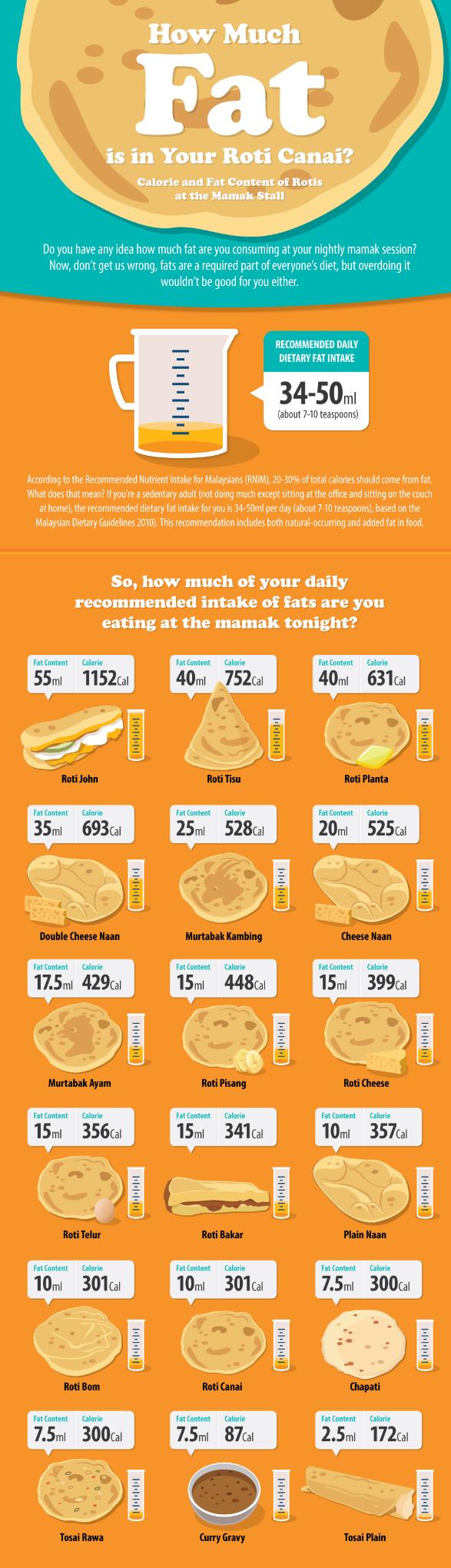
IMAGE SOURCE: HEALTHWORKSMY; MALAYSIAN DIETICIAN ASSOCIATION
To assist you in reducing the overall fat content of your diet:
- When you are shopping, remember to compare food labels to choose foods with less fat. Choose dairy substitutes with less or no fat
- Before preparing meat and poultry, remove all the excess visible skin
- Include more vegetables and beans into your cooking
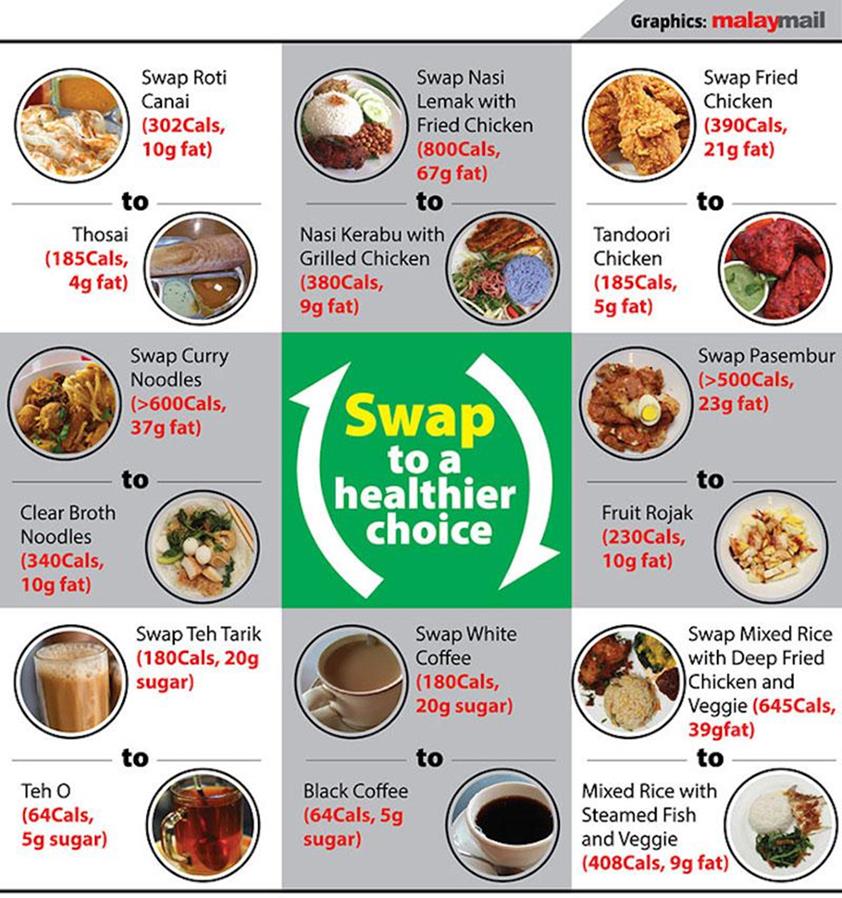
- Swap Frying or Roasting your food with grilling, baking, roasting or steaming them
- To manage the amount of oil you use, measure it with a teaspoon or use an oil spray.
- Choose leaner, lower-fat meats when choosing your meat or poultry
- Try low-fat spreads like those made with olive or sunflower oils.
- Ghee, butter, lard, coconut oil and palm oil
- Cakes
- Biscuits
- Milkshakes
- Fatty cuts of meat
- Sausages
- Chocolate and chocolate spreads
- Cured meats like pancetta, salami, chorizo
- Cheese
- Pastries, such as pies, quiches, sausage rolls and croissants
- Sour cream and cream
- Ice cream
- Bacon
- Coconut cream and coconut milk
| SWAP THIS-> | ->TO THIS |
|---|---|
| Butter | Tube margarine without trans fats |
| Regular cheese | Non-fat or reduced-fat cheese |
| Creamer or half and half | Non-fat half and half or non-fat creamer |
| Whole or 2% milk | Non-fat (skim) or 1% milk |
| Regular cream cheese | Non-fat or reduced-fat cream cheese |
| Regular ice cream | Yogurt that is fat-free or low in fat |
| 2-4% milkfat cottage cheese | 1% or non-fat cottage cheese |
| Cream sauces | Yogurt that is fat-free or low in fat |
| Regular mayonnaise | Low-fat or light mayonnaise |
| Prime grades of beef | Choice or Select beef grades |
| Spareribs | Tenderloin |
| Chicken with skin one | Chicken without skin |
| Whole egg | Egg whites or egg substitutes |
To cut the Trans-fat in your diet, make the following substitutions:
| SWAP THIS-> | ->TO THIS |
|---|---|
| Stick margarine | Trans-free margarine in a tub or liquid |
| Fried foods | Foods that are baked, grilled, or broiled |
| Wheat crackers with hydrogenated oils | Crackers that have been baked or crackers made with non-hydrogenated oils |
| Bars of granola that use partially hydrogenated oil | Granola bars made with non-hydrogenated oils or canola oil |
| Chocolate or yogurt-covered pretzels | Plain pretzels |
| Energy bars covered in chocolate or icing | Plain energy bars without coatingts |
| Flavoured liquid coffee creamers or hydrogenated oil-based powdered creamers | Non-hydrogenated oil-based liquid or powdered creamers or skim milk |
At the moment, trans fat is present in almost all fast food and fried items. Nowadays, certain restaurant chains fry their meals with non-hydrogenated or trans-fat free oils.
Keep in mind that very little fried food belongs in a heart-healthy diet. Look for items that say they are trans-fat-free on the label or ones that show liquid vegetable oils in the ingredient list rather than hydrogenated oils.
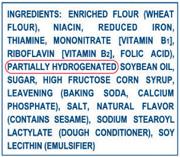
Foods that are branded "trans-fat-free" must have a trans-fat content of no more than 0.5 grammes per serving. A trans fat-free margarine should list liquid vegetable oil or water as its first component. These margarines could still include a tiny quantity of hydrogenated oil per serving, nevertheless. Portion control is essential, though, as once you go above the serving size, the food is no longer trans fat-free.